The Fleet

One airframe family.
Three ways to fly it.

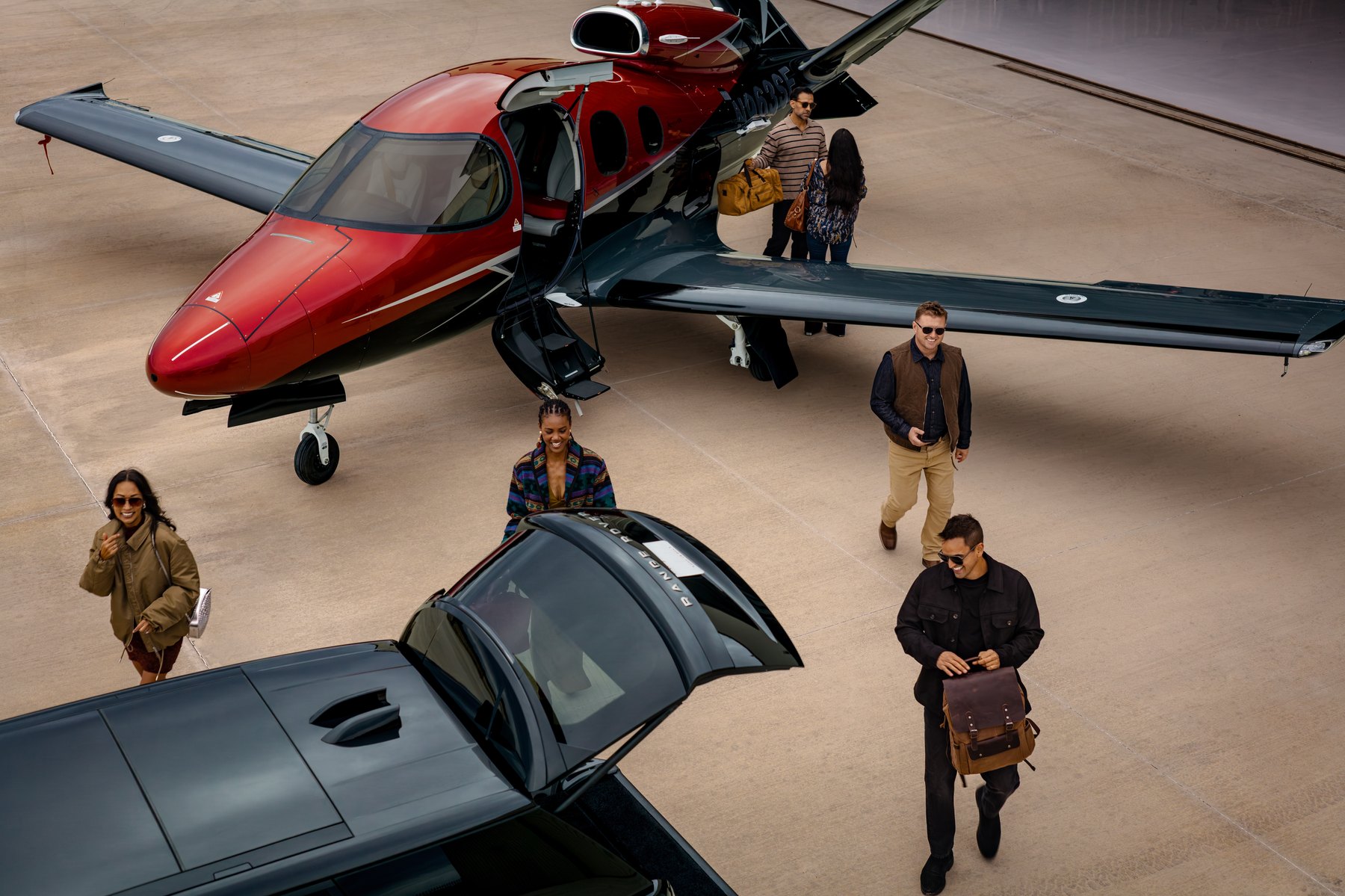
The Cirrus lineup, in its current generation. SR20. SR22T. Vision Jet. Train in them, rent them, own them through our management program.

Why We Fly Cirrus

Personal aviation, on your terms.

Personal aviation means different things to different people. For some, it is a tool for business: a Tuesday morning meeting two states away that ends in time for dinner at home. For others, it is independence: the ability to fly yourself wherever you need to go, without a commercial schedule, without a connection. For others, it is family: a long weekend that actually feels long, the coast on Friday, the mountains on Saturday, dinner at your own table on Sunday.

The Cirrus lineup was built for all three. So we built AeroVision around it. Train in a Cirrus. Rent a Cirrus. Own a Cirrus. Same airframe philosophy, same panel, same parachute, same culture of safety from your first lesson to your ten thousandth hour.

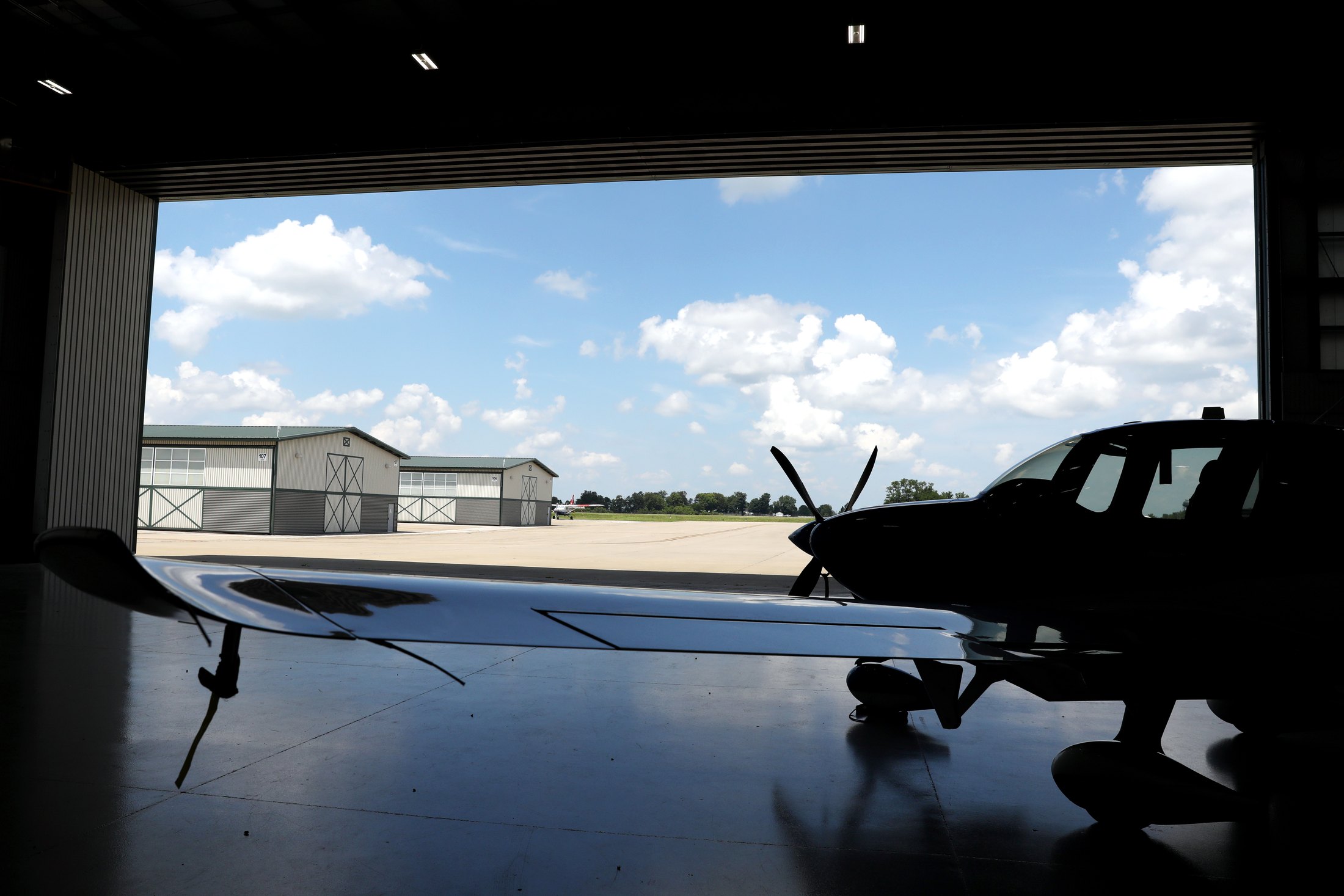
Cirrus SR20 in the hangar with dramatic lighting
01
Aircraft One · The Beginning

SR20 G7 / G7+

The aircraft that redefined what a trainer could be.

When Cirrus introduced the SR20, every trainer that came after had to answer for it. Composite airframe. Side-stick controls. Glass cockpit. A whole-airplane parachute system as standard equipment. Today, the G7 generation is the most refined SR20 ever built, and the G7+ adds Safe Return autoland to the same airframe.

For most of our students, the SR20 is the airplane the rest of aviation is measured against from day one.

155kts
Cruise Speed
709nm
Range
17,500ft
Service Ceiling
5
Seats
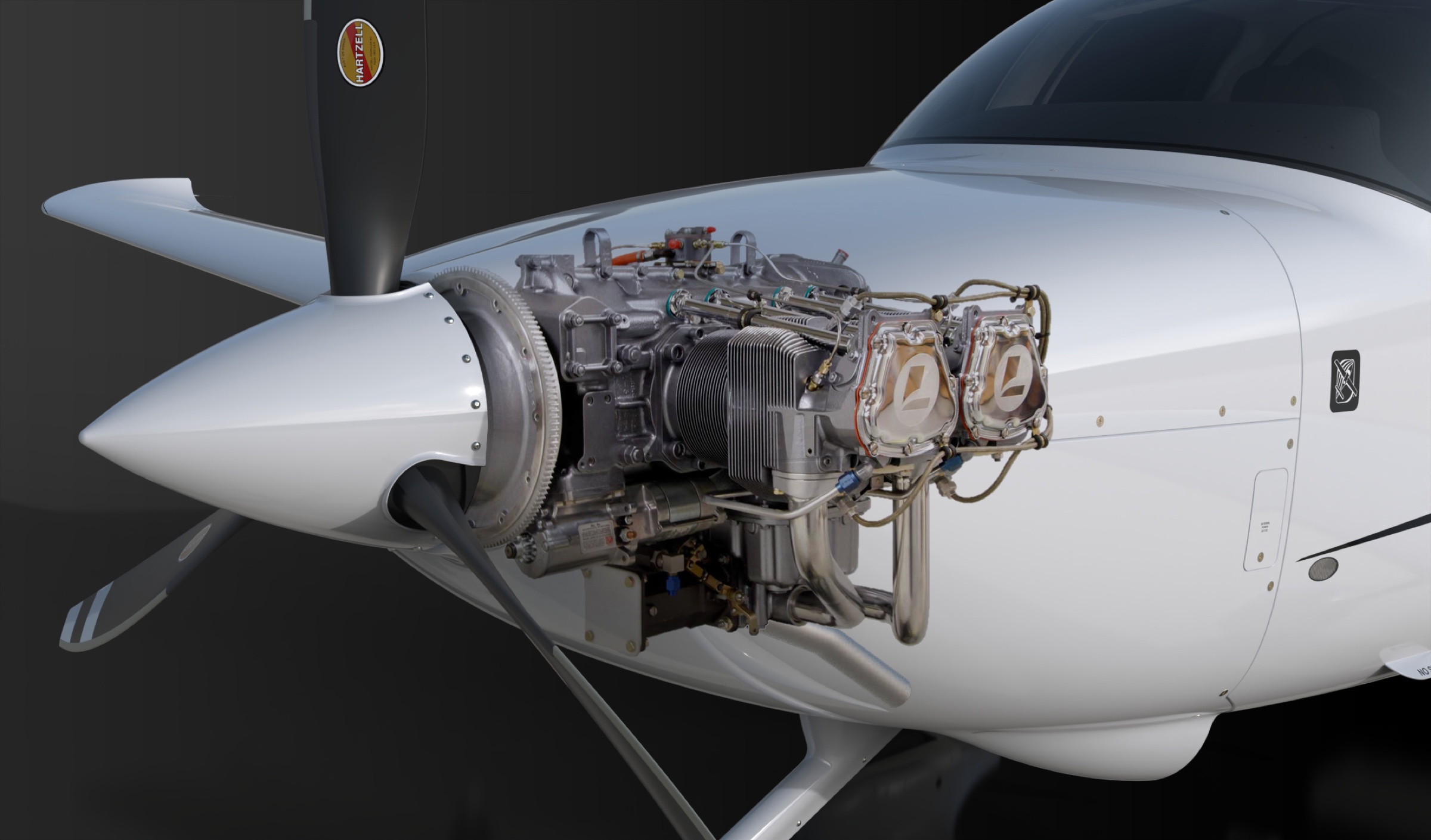
  • Lycoming IO-390 engine

    Two hundred fifteen horsepower at sea level. Direct fuel injection. Air-cooled, six-cylinder, naturally aspirated. The IO-390 is the engine the SR20 was redesigned around in the G7 generation, replacing the older IO-360.

    For a primary trainer, that matters in two specific ways. More takeoff margin on a hot summer day at a short field. And a simpler systems picture for a student pilot. Mixture, throttle, propeller. Three controls. The right complexity at the right time.

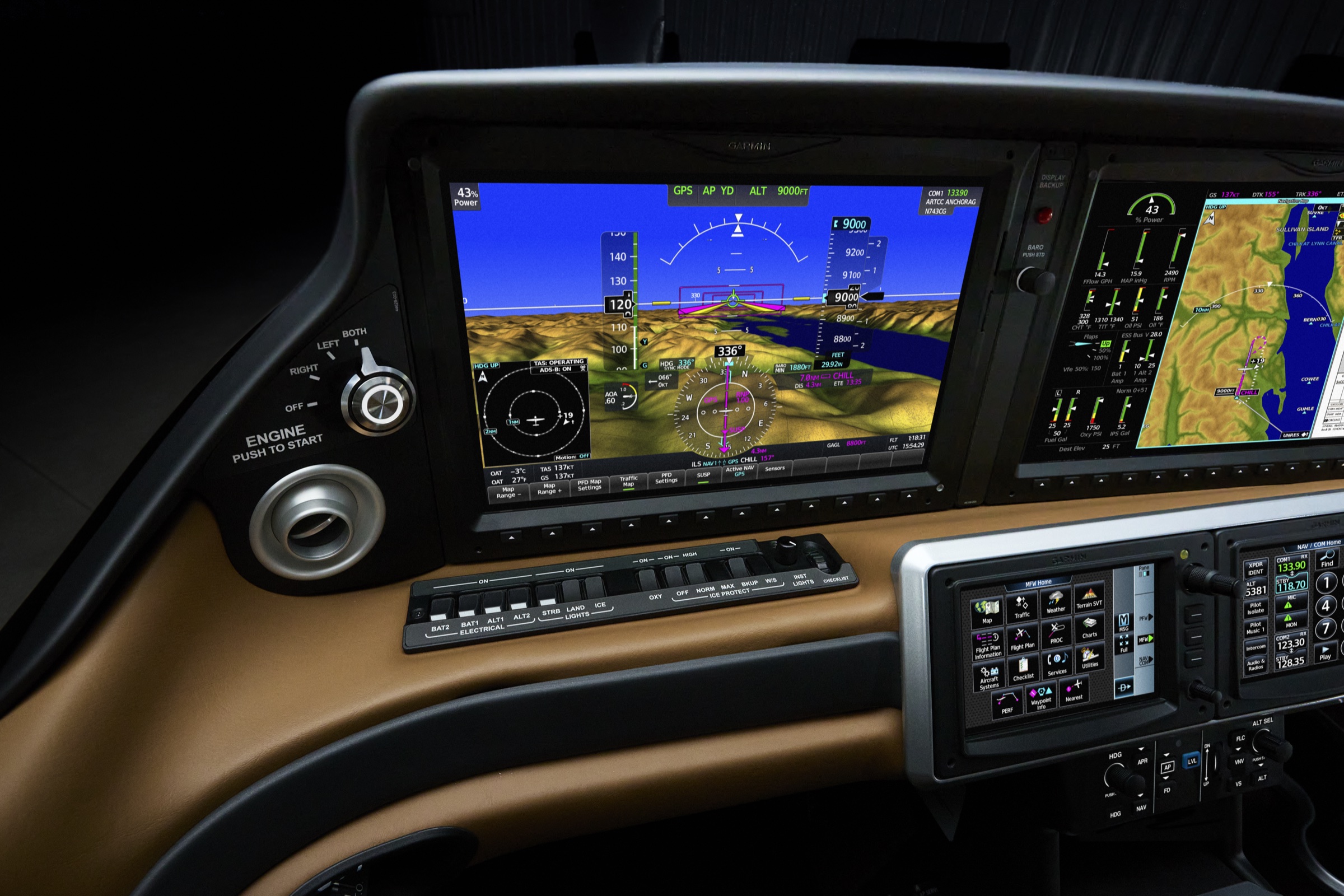
  • Cirrus Perspective Touch+ avionics

    For a student pilot, the Perspective Touch+ panel does something rare. It teaches you on the airplane you will eventually fly the rest of your career, not on a simplified version of one.

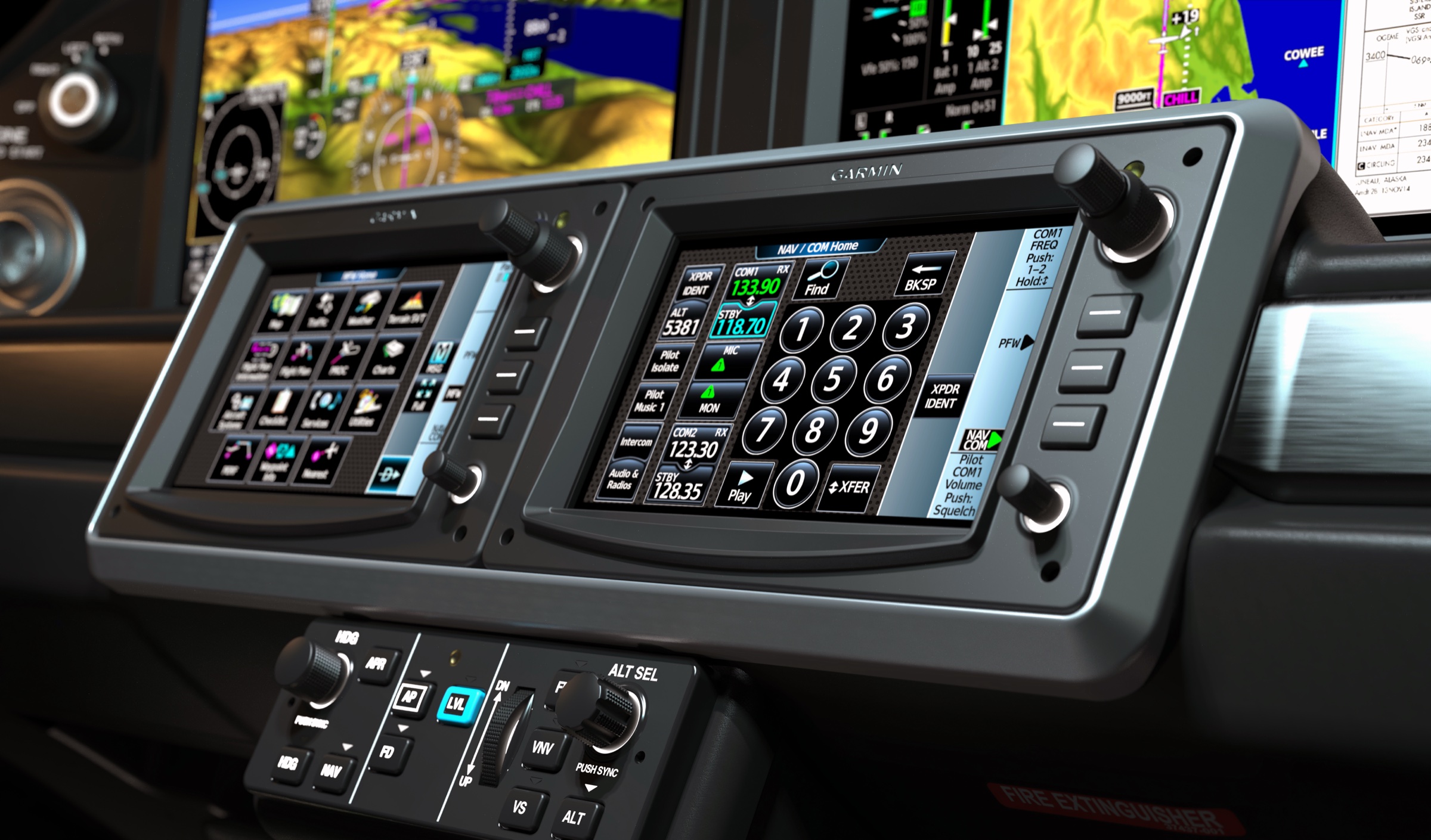
    Two large high-resolution displays. Touchscreen primary controls with hard-key backups. Synthetic vision, real-time weather, and the new dual Garmin Touch Controllers. Every hour you log in the SR20 G7 builds muscle memory for the SR22T and the Vision Jet on the same family of panel.

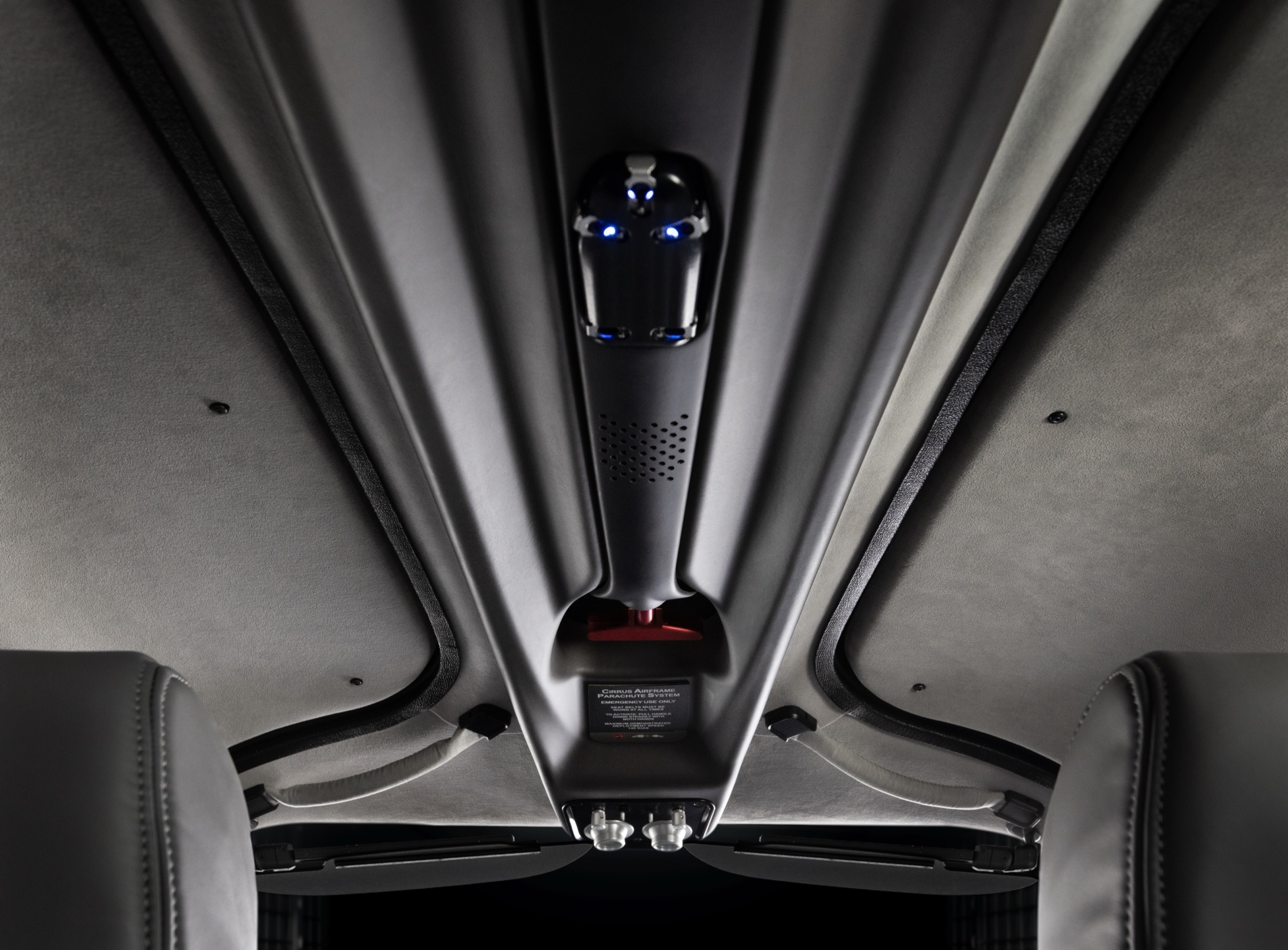
  • CAPS handle mounted in the cockpit ceiling

    Every Cirrus has it. The SR20 was the first airplane in the world to be certified with one. A rocket-deployed parachute that lowers the entire aircraft, occupants and cargo, safely to the ground.

    For the student pilot in the left seat and the family member in the right, that is the answer to the question every passenger asks privately on a first flight. The CAPS handle is the answer.

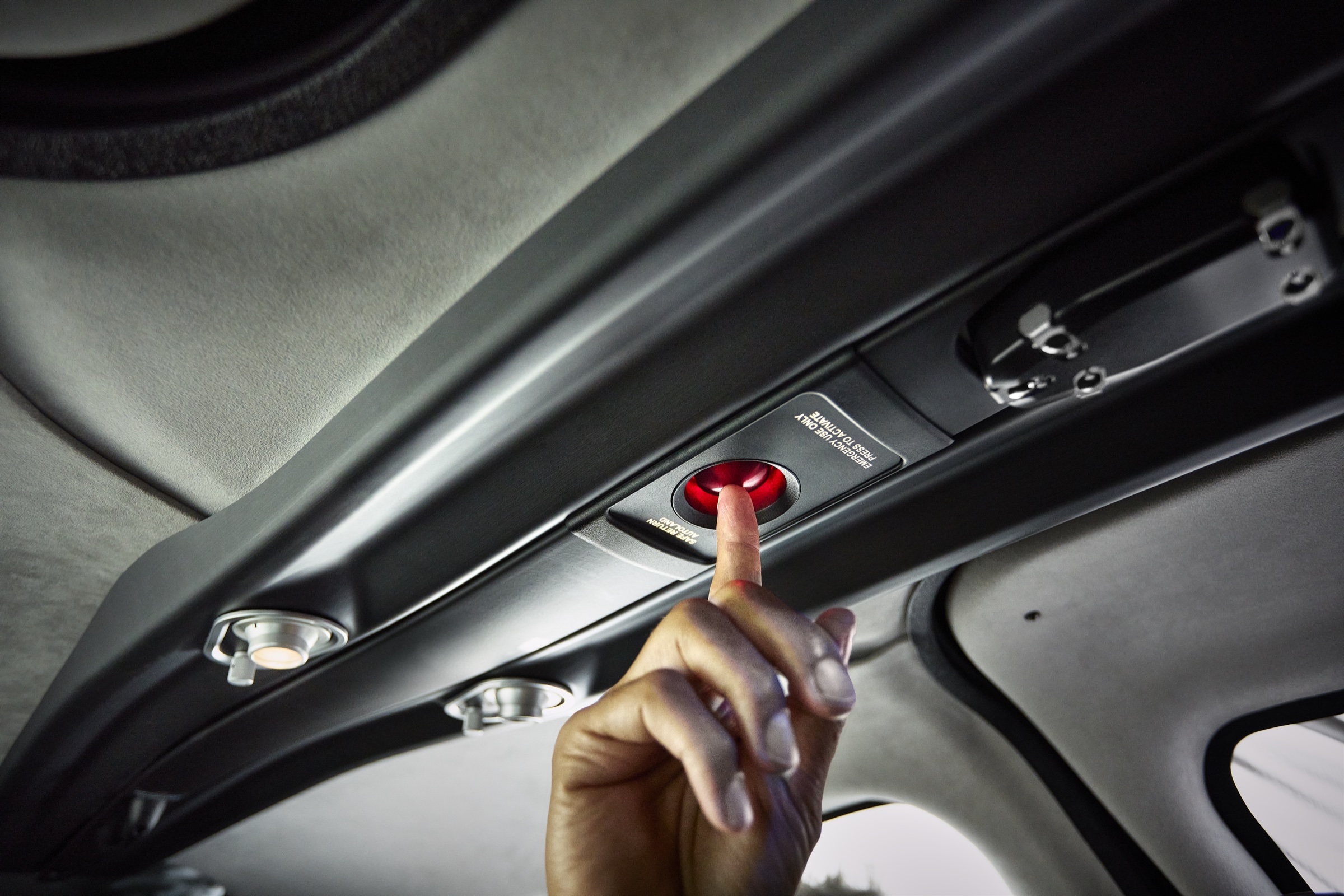
  • Safe Return autoland button

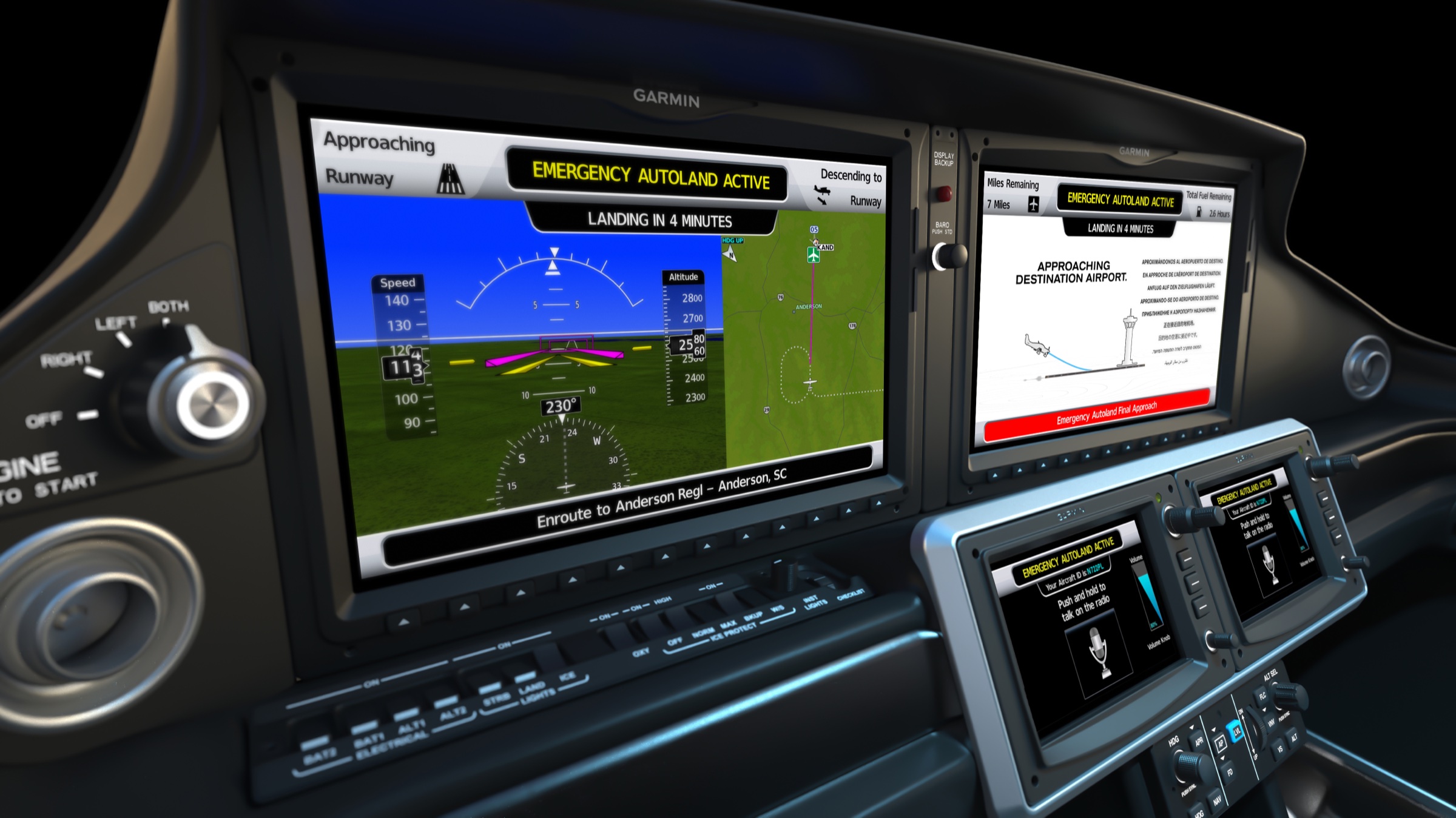
    The G7+ adds the most advanced piece of safety technology available on a piston single, anywhere in the world. If the pilot becomes incapacitated, any passenger can press a single button.

    The airplane communicates with ATC. It selects a suitable airport from its database. It descends, configures itself, lands, and stops on the runway. Twenty years ago this was science fiction. On the SR20 G7+, it is standard equipment.

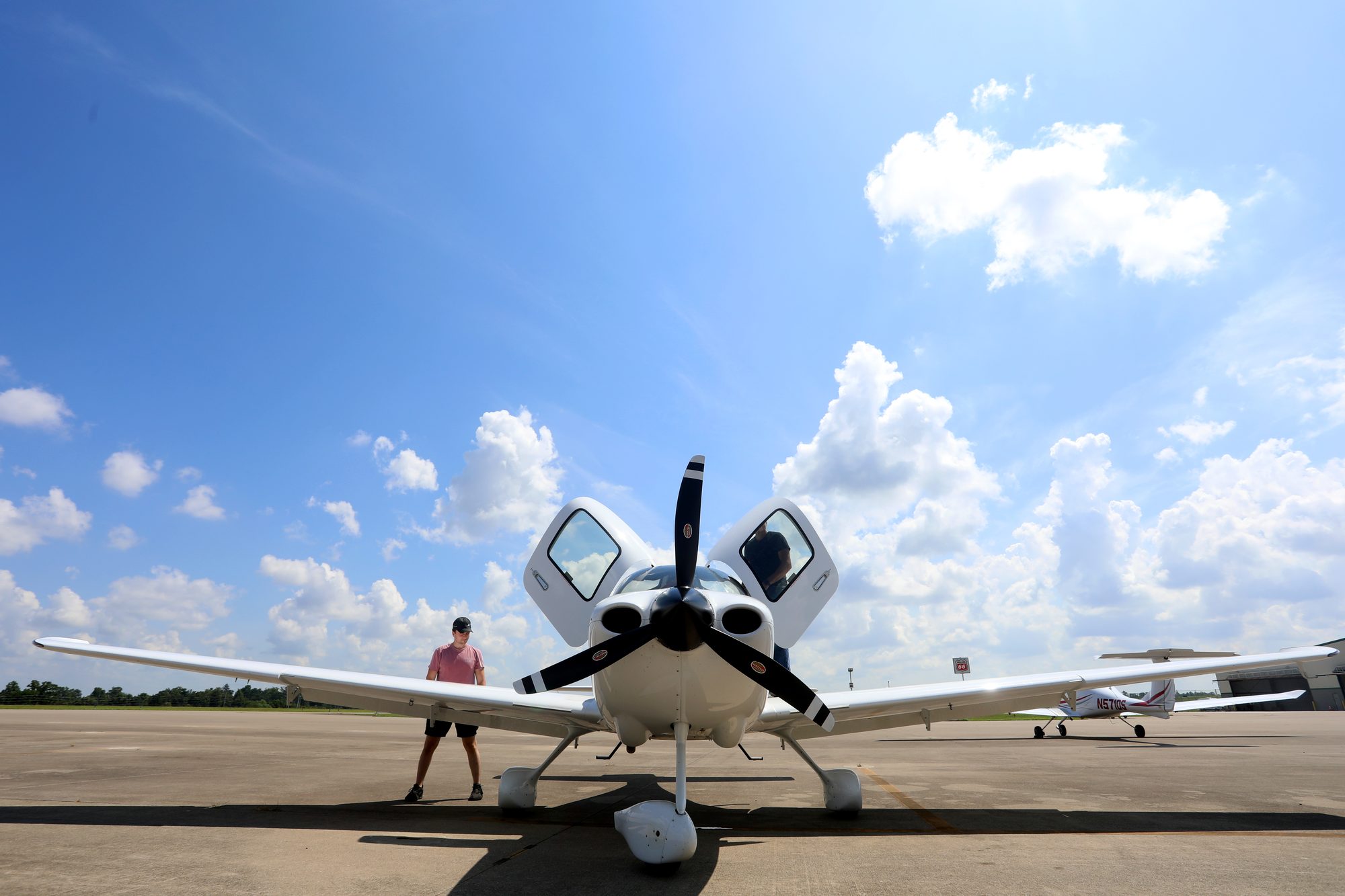
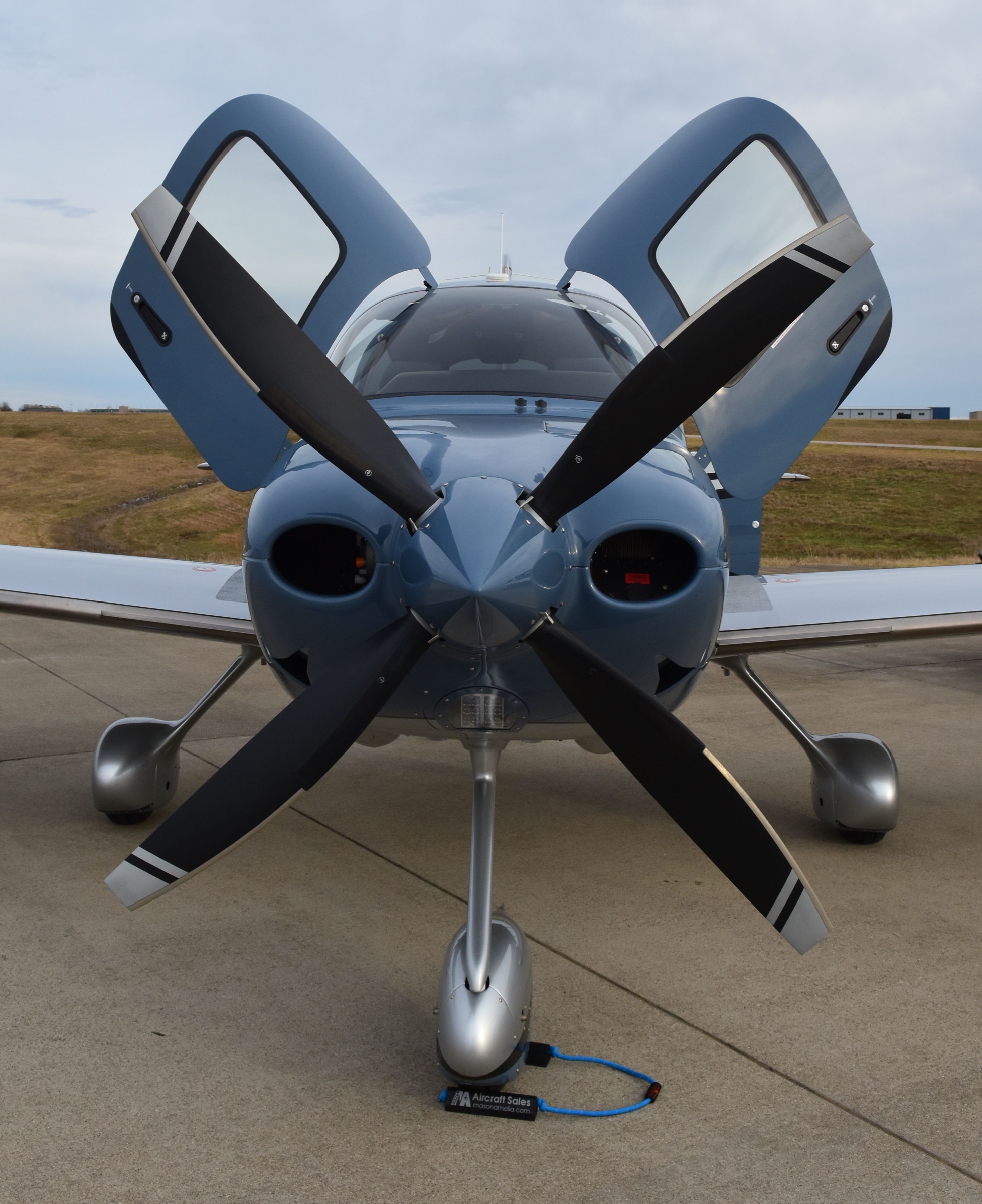
Cirrus SR22T front view with doors open
02
Aircraft Two · The Standard

SR22T G7 / G7+

Twenty-five thousand feet. Two hundred thirteen knots. No compromises.

The SR22T is the world's best-selling high-performance single, and for good reason. Turbocharged power for hot-and-high performance. A built-in oxygen system to climb above the weather. The newest Cirrus Perspective Touch+ avionics suite. The G7 is the most refined SR22T ever produced. The G7+ adds Safe Return autoland to the same airplane.

For owners and serious cross-country travelers, this is the airplane around which AeroVision was built.

213kts
Cruise Speed
1,021nm
Range
25,000ft
Service Ceiling
5
Seats
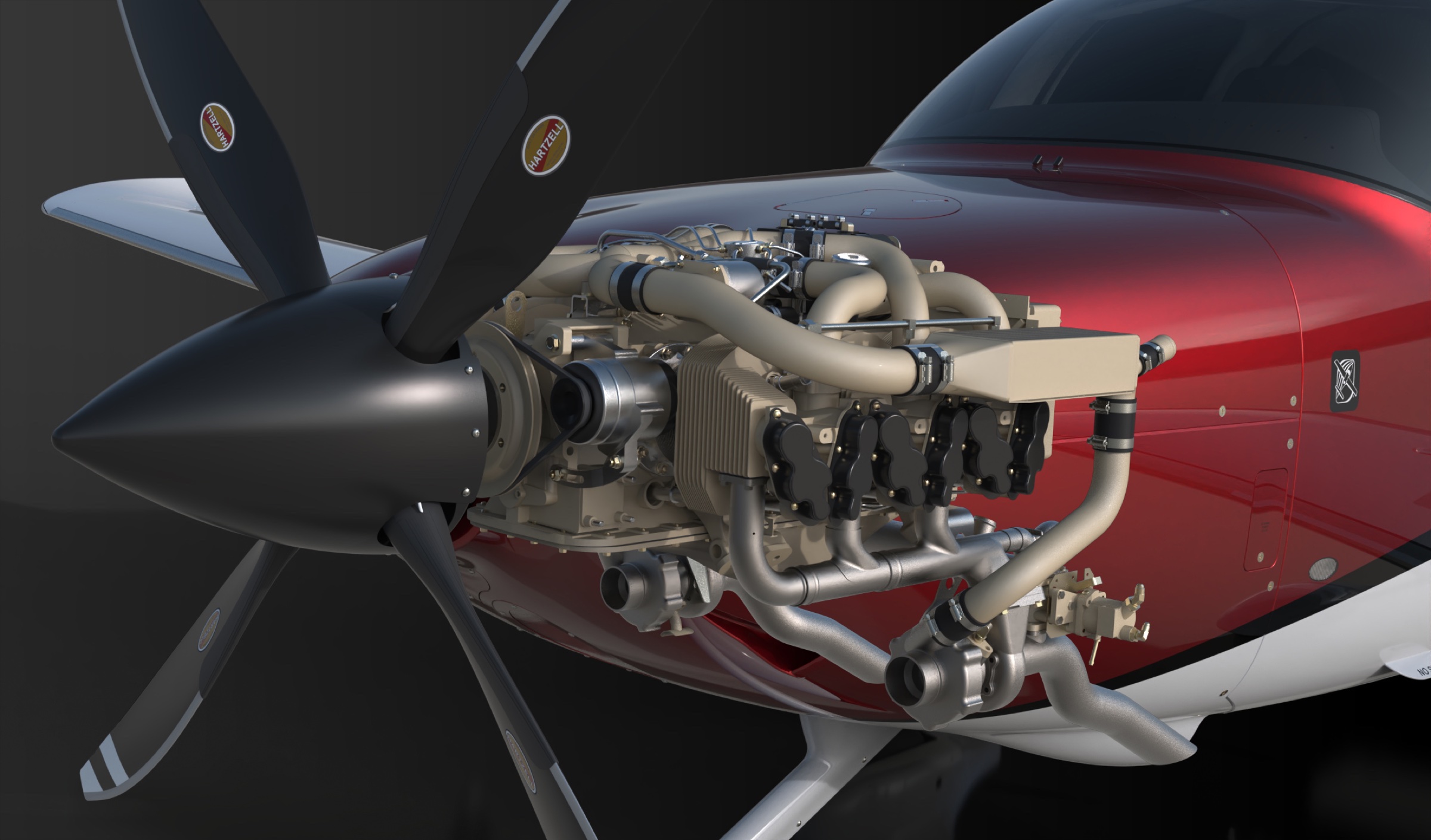
  • Continental TSIO-550-K turbocharged engine

    One hundred extra horsepower over the SR20 and a turbocharger feeding it. Three hundred fifteen horsepower at sea level, holding sea-level rated power well into the flight levels. The numbers tell the story.

    Lexington to Nashville is forty-three minutes block to block. Lexington to the Outer Banks is two hours. Lexington to Aspen is something a normally aspirated single will not do reliably. The SR22T does it routinely, with payload to spare.

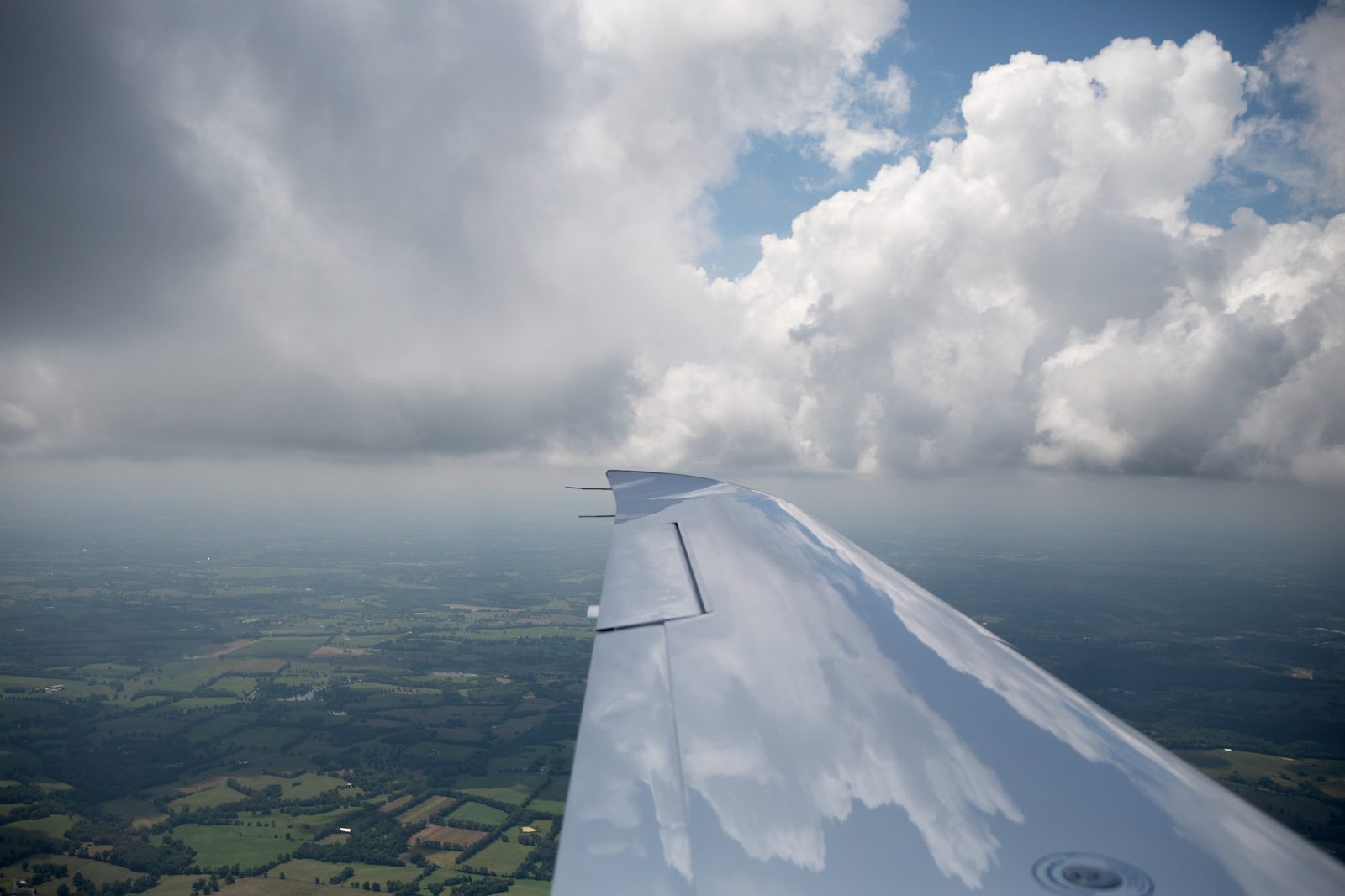
  • Wing over city at dusk from altitude

    Twenty-five thousand feet of certified service ceiling. A built-in oxygen tank. Masks at every seat. The whole system is part of the airplane, not a portable rental cylinder you remember to bring.

    What it gives you in real flying: the ability to climb over weather instead of routing around it, faster groundspeeds in the right winds, and a smoother ride for everyone on board. Practically, it doubles the number of bad-weather days you can still fly the mission.

  • Garmin touchscreen avionics controller

    The same Perspective Touch+ flight deck used in the SR20, with the integrations a high-performance airplane demands. Long-range fuel planning. Datalink weather. Yaw damper, electronic stability, and the auto-level-off that engages the autopilot if you ever lose control.

    For the owner-pilot flying single-pilot IFR with family aboard, this is the panel the rest of the industry is catching up to. Workload reduction is a safety feature.

  • CAPS pull handle in cockpit

    More than two hundred and fifty lives saved across the Cirrus fleet. The SR22T inherits the same proven system that has been on every Cirrus since 1999, sized and certified for this airframe at its full gross weight.

    For the owner taking spouse and children on a Saturday flight, this is the conversation that does not need to be had. The handle is there. They know it is there. That is enough.

  • Safe Return autoland on cockpit avionics

    The SR22T G7+ is the only turbocharged piston single in the world with emergency autoland as standard equipment. The most advanced piece of safety automation in production, on the most-flown high-performance single in production.

    For the owner who flies often, far, and with the people who matter most aboard, the G7+ is the version of this airplane that closes the last meaningful gap between piston travel and the redundancy of a turbine.

The Generations, Explained

G7 and G7+, side by side.

The G7 is the current production generation of the Cirrus piston line. The G7+ is the same airplane, with one additional layer of automation. Here is exactly what each gives you.

Generation One

G7

The current platform.
  • The newest Cirrus Perspective Touch+ flight deck by Garmin
  • Largest displays and most intuitive interface in the category
  • Redesigned interior with refined lighting and ergonomics
  • Updated avionics suite with full Cirrus IQ connectivity
  • CAPS whole-airframe parachute system, standard
Generation Two

G7+

Everything the G7 is, with one more line of defense.
  • Every feature of the G7 platform, included as standard
  • Safe Return emergency autoland, the only piston single with it
  • Expanded automation and pilot-assist throughout the flight deck
  • Designed for the owner who wants the latest layer of safety
  • The most advanced piston single in production, anywhere
Cirrus Vision Jet over Croatian coast
03
Aircraft Three · The Personal Jet

Vision Jet

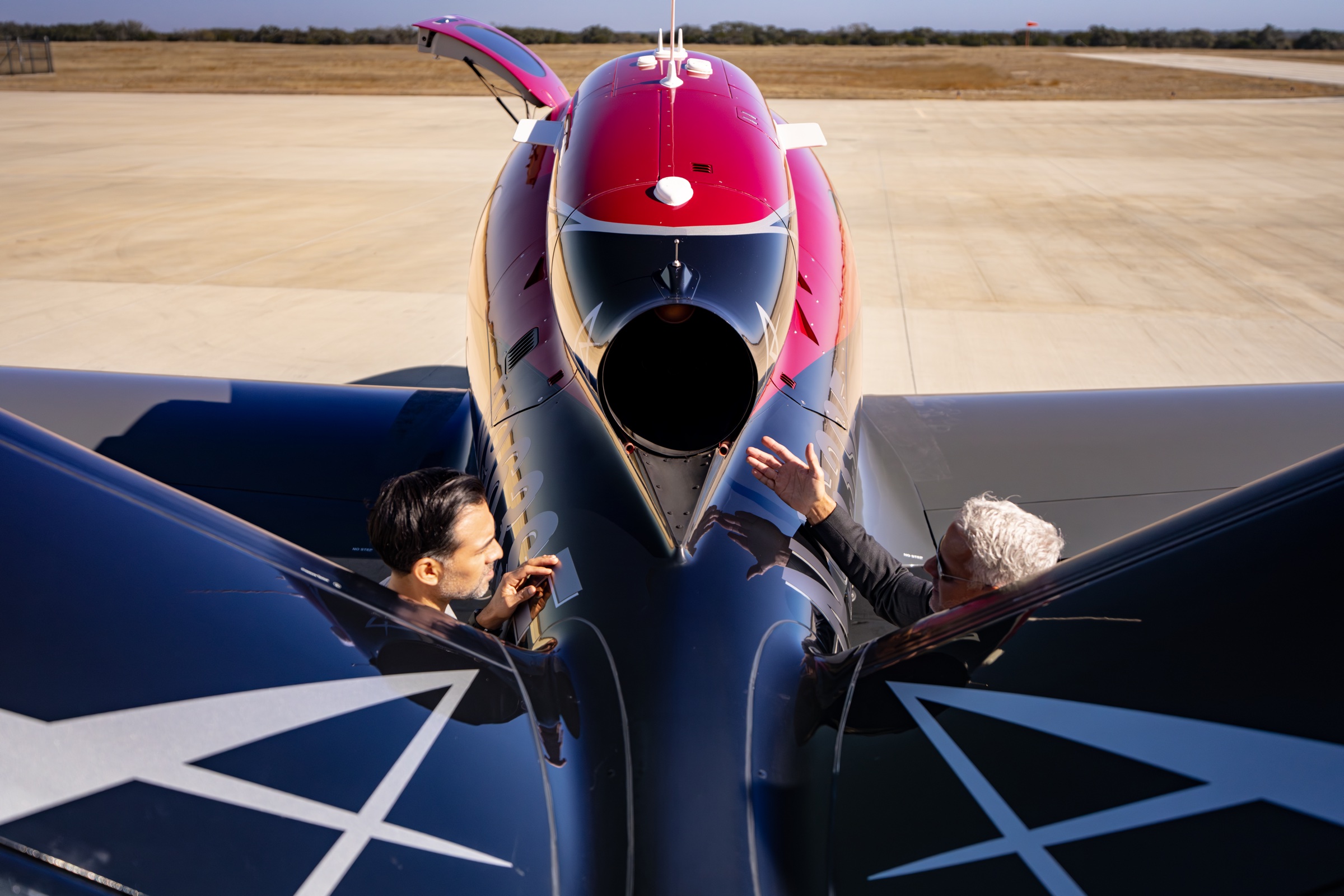
The world's first single-engine personal jet. Engineered for one pilot. Built for whatever the day demands.

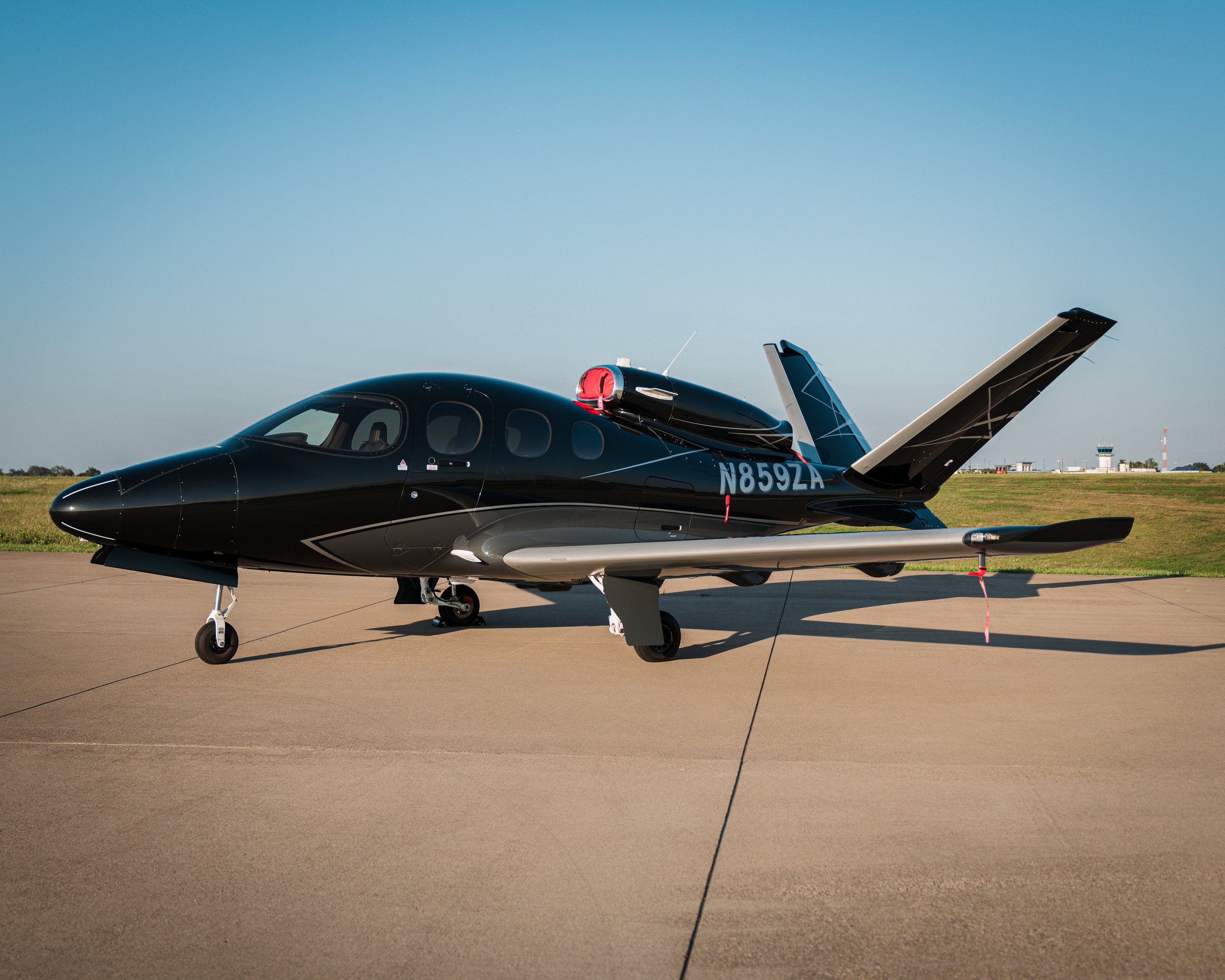
When Cirrus delivered the first Vision Jet, they did not enter the jet market. They invented a new category. Single-engine. Single-pilot. Six to seven seats around a panoramic cabin. A flight deck that handles complexity so you can focus on flying.

Whether the mission is a board meeting in another time zone, a personal trip without a commercial connection, or a long weekend with the people who matter most, the Vision Jet is the airplane that makes it possible.

311kts
Cruise Speed
1,275nm
Range
31,000ft
Service Ceiling
6-7
Seats
  • Williams FJ33-5A turbofan engine

    One engine. Eighteen hundred pounds of thrust. Single-spool turbofan architecture, simplified specifically for the owner-pilot mission. Mounted on a V-tail pylon for clean airflow and a quiet cabin.

    Single-engine jets used to mean compromise. The FJ33 is the engine that proved the category could exist on its own terms, with the reliability statistics to back it. The Vision Jet has accumulated more than a million flight hours on this powerplant.

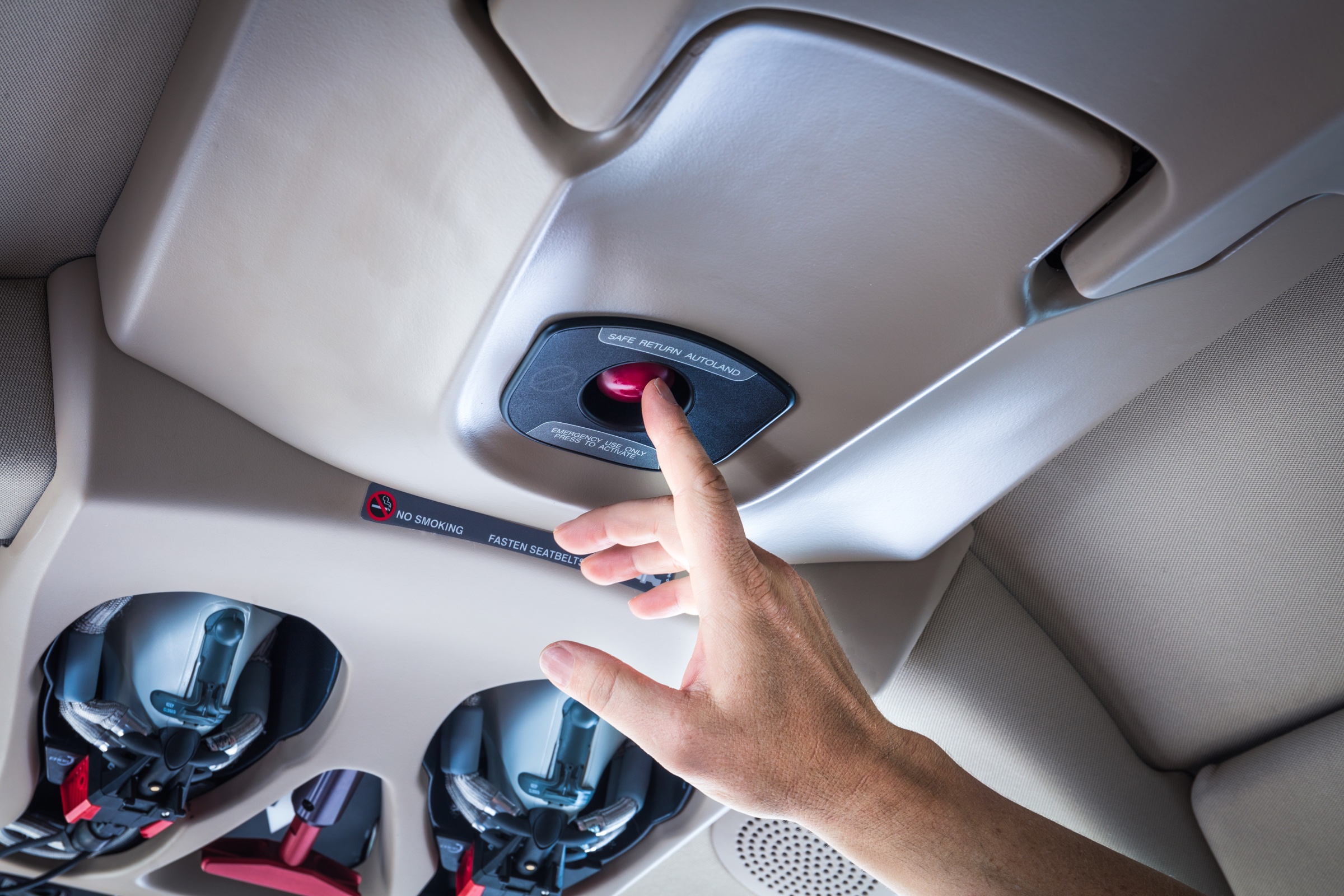
  • Hand pressing Safe Return button in Vision Jet cabin

    The Vision Jet was the first jet of any kind to certify and deliver emergency autoland. Cirrus and Garmin took home the 2017 Collier Trophy for it, the most significant award in American aviation, awarded by the National Aeronautic Association.

    For a jet that is intentionally flown single-pilot, this is the answer to the only question that ever really mattered: what happens to everyone else if the pilot cannot continue. Press the button. The airplane handles the rest.

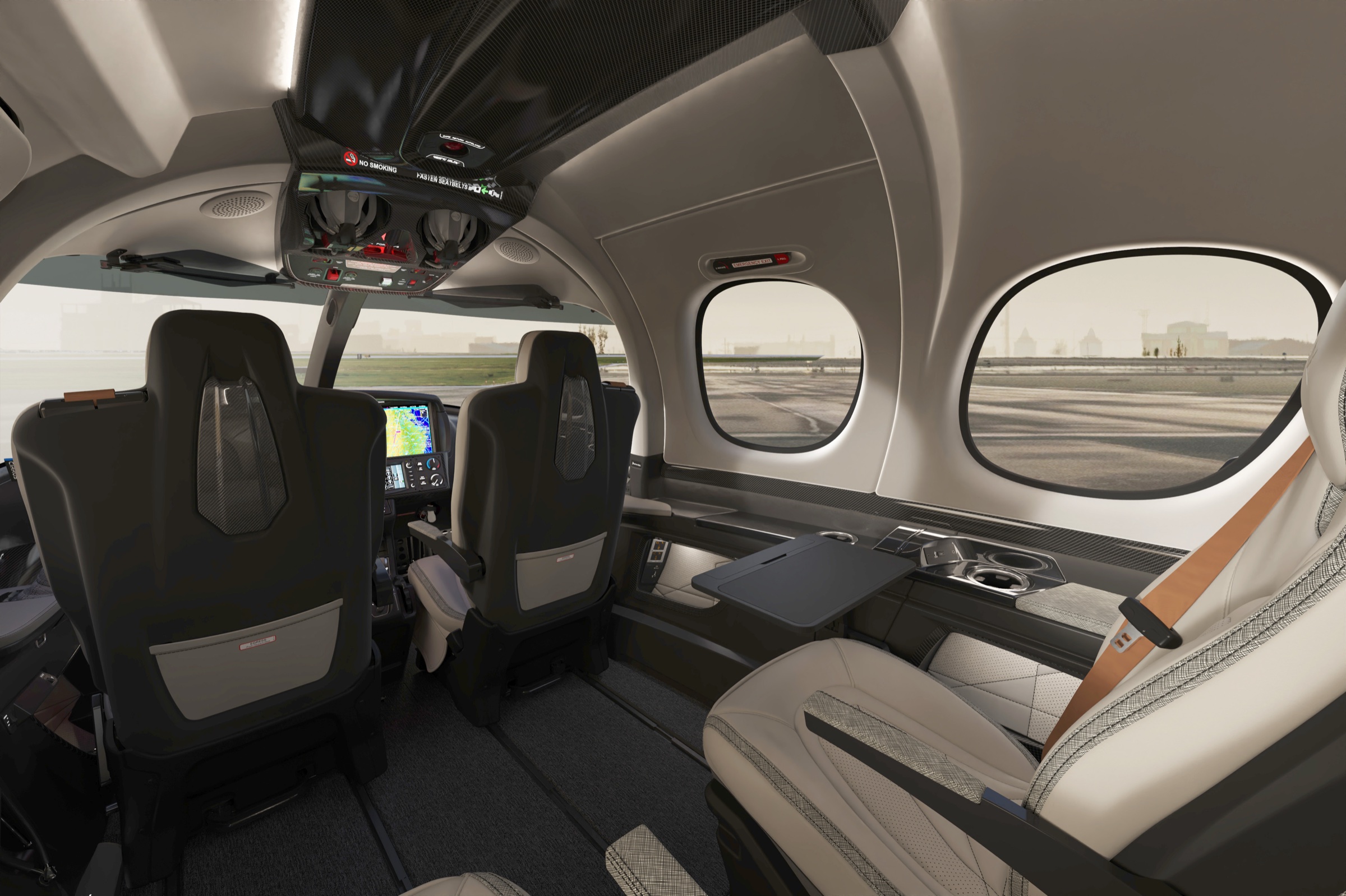
  • Cirrus Vision Jet cabin interior with panoramic windows

    Five feet of cabin height. Sixty-three inches of cabin width. Six panoramic windows that sweep from waistline to overhead. Seating for up to seven, configurable for cargo or for the family. A flat floor that lets adults walk up rather than climb in.

    This is the cabin that turns a personal jet from an aspiration into a use case. A working office at altitude. A flight that the kids will actually look forward to. A weekend that starts when the door closes, not after the connection.

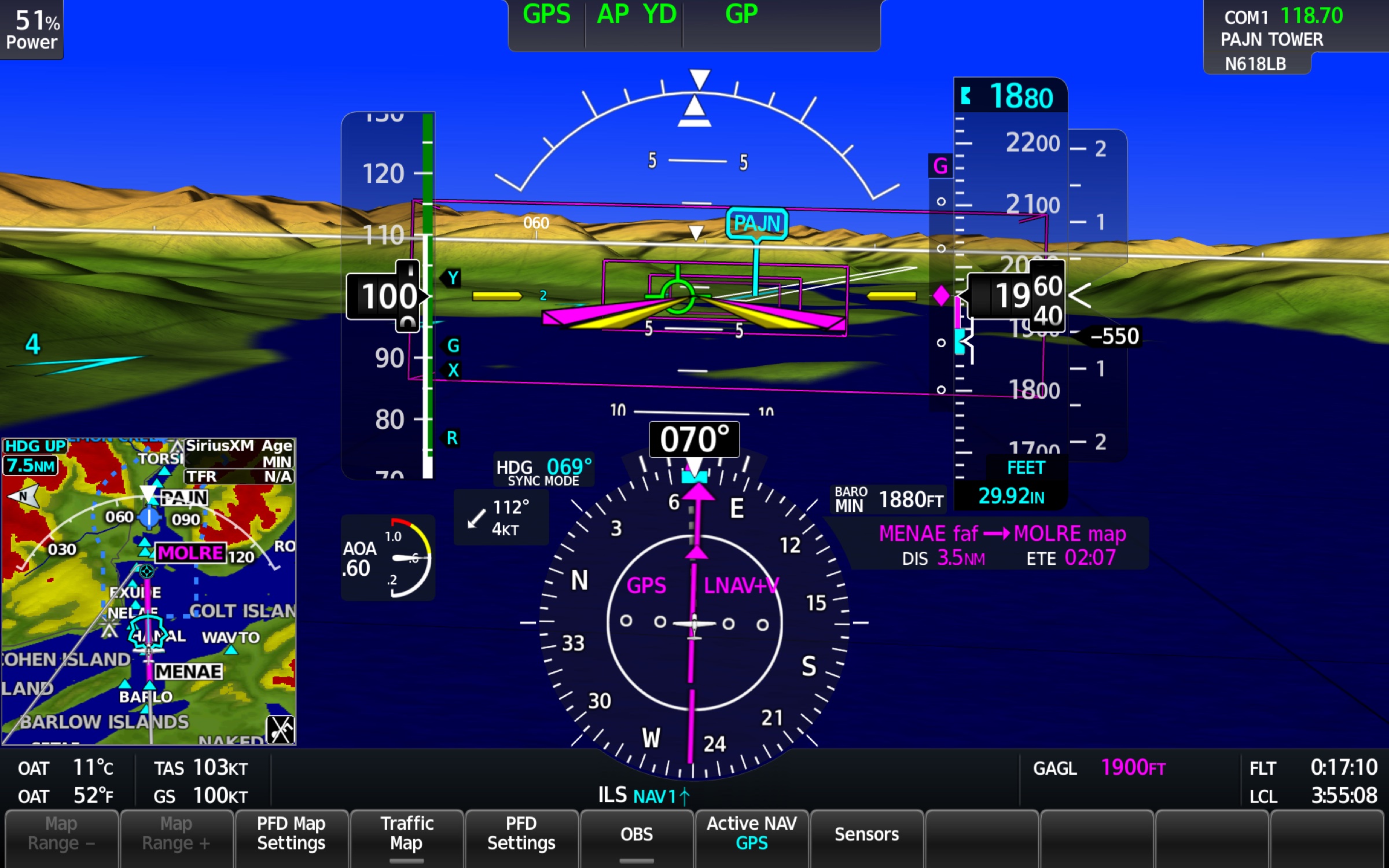
  • Synthetic vision display

    Three large flight displays, dual touch controllers, full FADEC engine integration, and the systems integration that turbine flight demands. The same family of panel that runs the SR series, scaled to a thirty-one thousand foot ceiling and a Mach point five envelope.

    For the pilot transitioning up from a Cirrus piston, this is the panel you already know. The Vision Jet feels like a familiar room, just on the next floor.

  • CAPS parachute deployed over the airframe

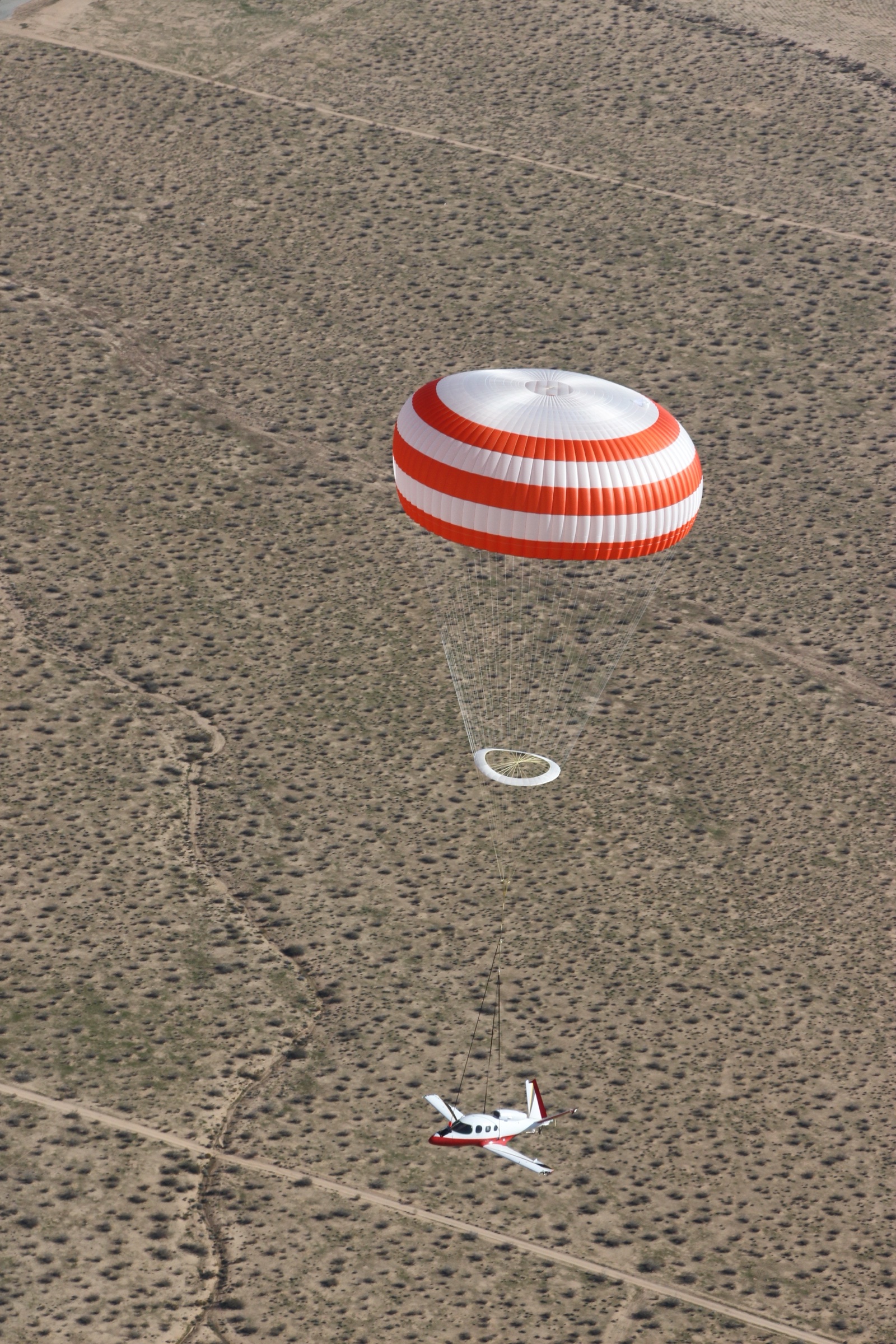
    The Vision Jet is the first and still the only certified jet, anywhere in the world, with a whole-airplane parachute. Combined with Safe Return autoland, the Vision Jet has two completely independent layers of last-resort recovery, neither of which requires a second pilot to operate.

    For the owner choosing between a Vision Jet and a comparable twin, this is the differentiator nobody else can match. Two systems. Two redundancies. One airplane.

The Technology, Decoded

Three names you should recognize.

No. 01
CAPS
The Cirrus Airframe Parachute System. A whole-airplane parachute deployed from a panel handle, designed to land the entire aircraft, occupants, cargo, and all, safely beneath canopy. Standard on every Cirrus. The reason the brand exists.
No. 02
Safe Return
Emergency autoland. With one button, the airplane communicates with ATC, picks a suitable runway, configures itself, and lands. Standard equipment on the SR20 G7+, the SR22T G7+, and every Vision Jet.
No. 03
Perspective Touch+
The flight deck. Built by Garmin, refined by Cirrus, the largest displays and the most intuitive interface in the category. The same panel philosophy carries from the SR20 through the Vision Jet, so the airplane you train in feels like the airplane you graduate to.
Begin

Find your aircraft.

Whether your first lesson is next week or your next aircraft is next year, we will help you understand which Cirrus is right for you, your mission, and the people who fly with you. No commitment. Just a conversation with people who know these airplanes deeply.