Flight Training

Training is an experience.
Not a checklist.

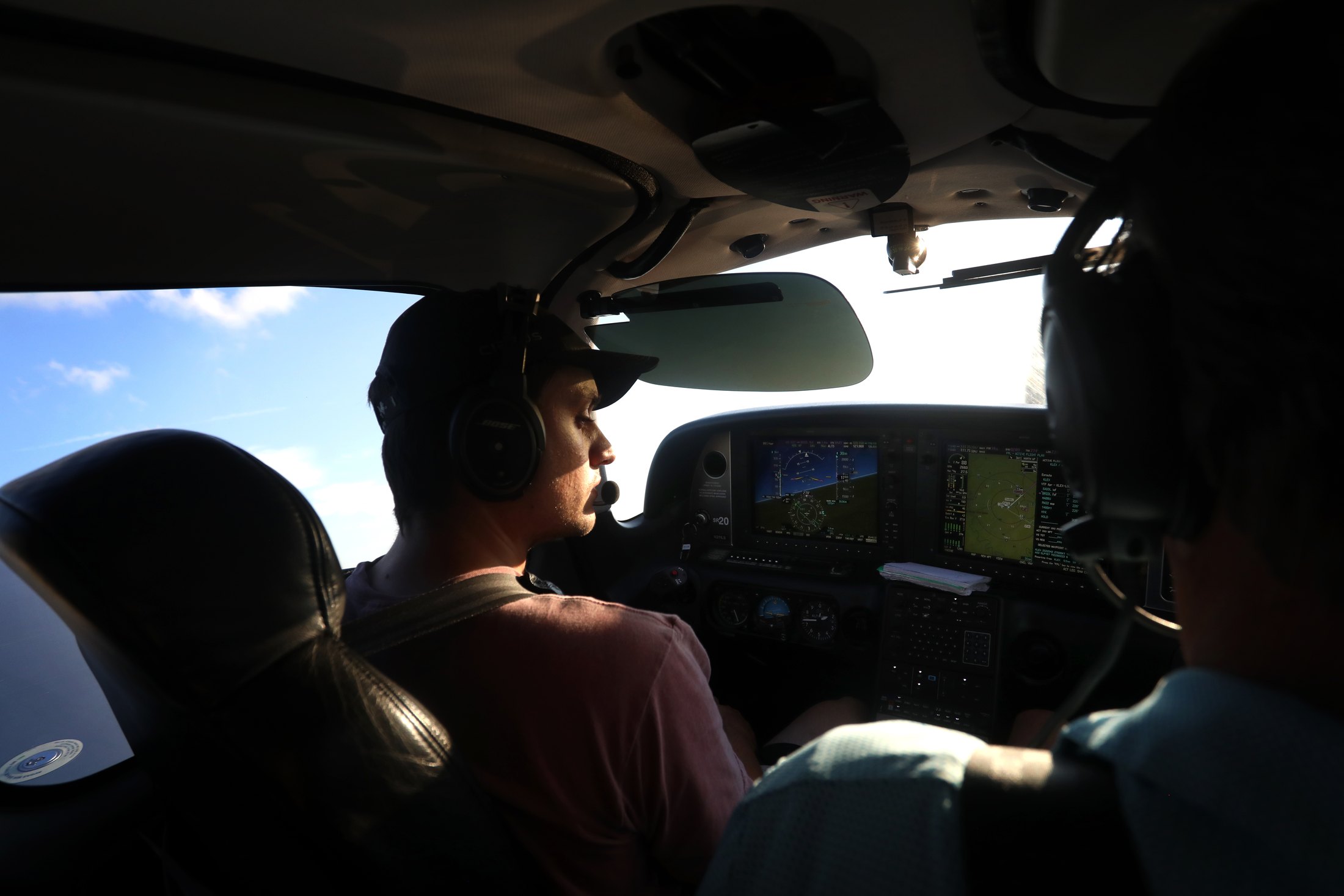
Your hours should count for something more than airport laps. Every flight in our syllabus can be a real mission, on your schedule, to a destination that matters to you. This is how we teach.

The AeroVision Approach

Most flight training is taught from a checklist. Ours is taught from a map.

Most clients learn to fly the same way: takeoff, pattern work, the next closest airport, lunch, the airport after that, home. The hours add up. The license arrives. And then, after the checkride, training stops feeling like aviation and aviation starts feeling like something else entirely.

We do it differently. Every hour you log toward your certificate can be an hour that mattered for something else, too. A meeting in another city. A weekend on the coast. A day trip to a place you've always wanted to see. The FAA does not care where you fly your dual cross-country, as long as you fly it. So fly it somewhere worth going.

By the time you have your license, you will already know what flying yourself somewhere actually feels like.

That is the difference between a checkride pass and a pilot. Between a license and an instinct. Between learning to fly and learning what flying is for.

The Way We Train

Three flights from a real syllabus.

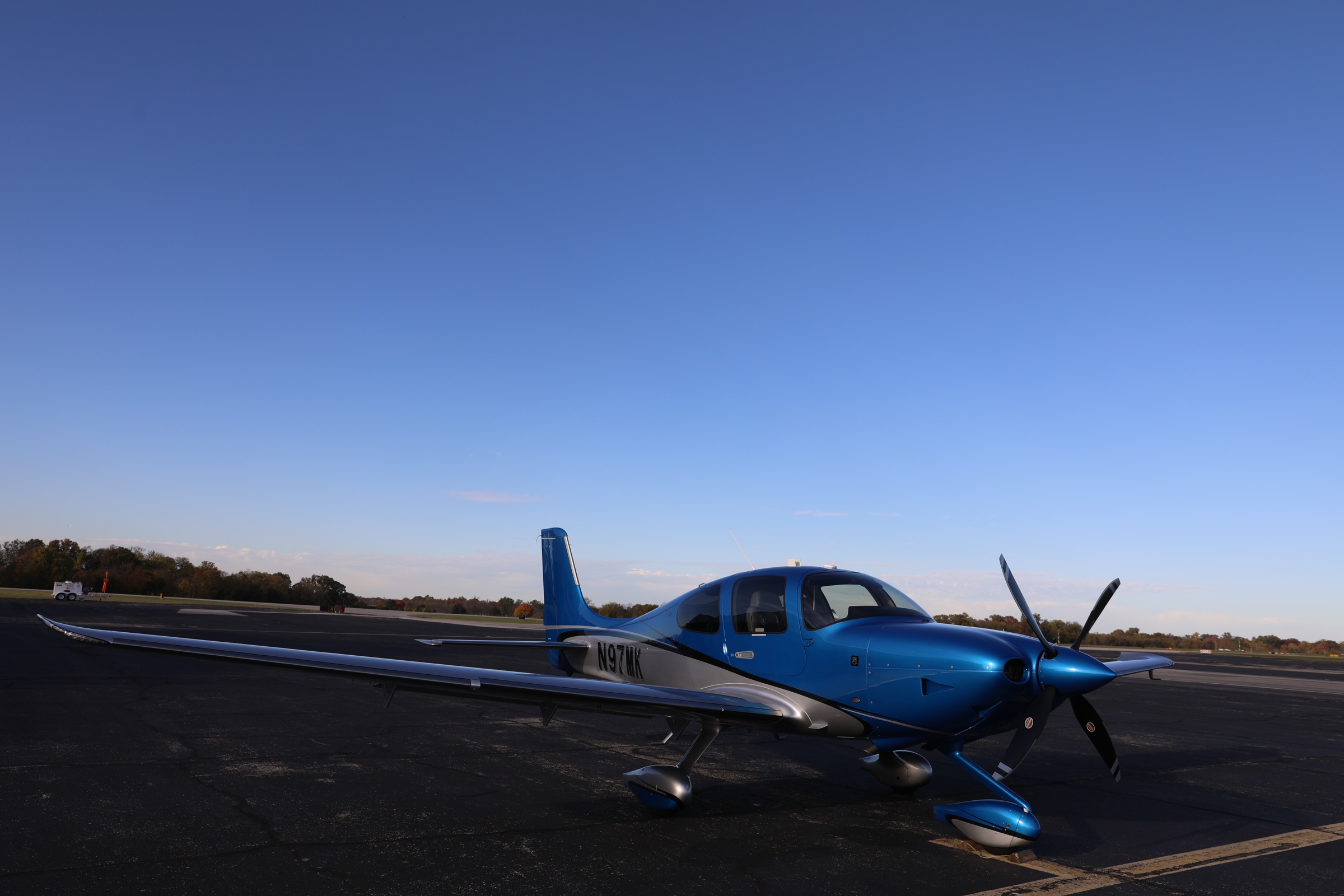
No. 01 Blue Cirrus on the ramp at dusk
Business Mission

The Tuesday meeting in Nashville.

Lexington to Nashville is just under an hour in an SR. Plan it as a dual cross-country. Brief the route the night before. Fly your meeting. Debrief the trip on the way home, talking through the planning, the weather decisions, the approach, and what comes next.

No. 02 Passenger looking out the cabin window at sunset
Family Vacation

Drop the family in Florida.

You have a week of vacation planned anyway. Make it the cross-country block of your training. Fly the family down on Saturday. Fly back the following weekend. While you're down there, hop between the gulf coast, the keys, and the Atlantic side. The hours count. The legs count. And the actual experience of flying real distance, real weather, and real diversions counts more than any of it.

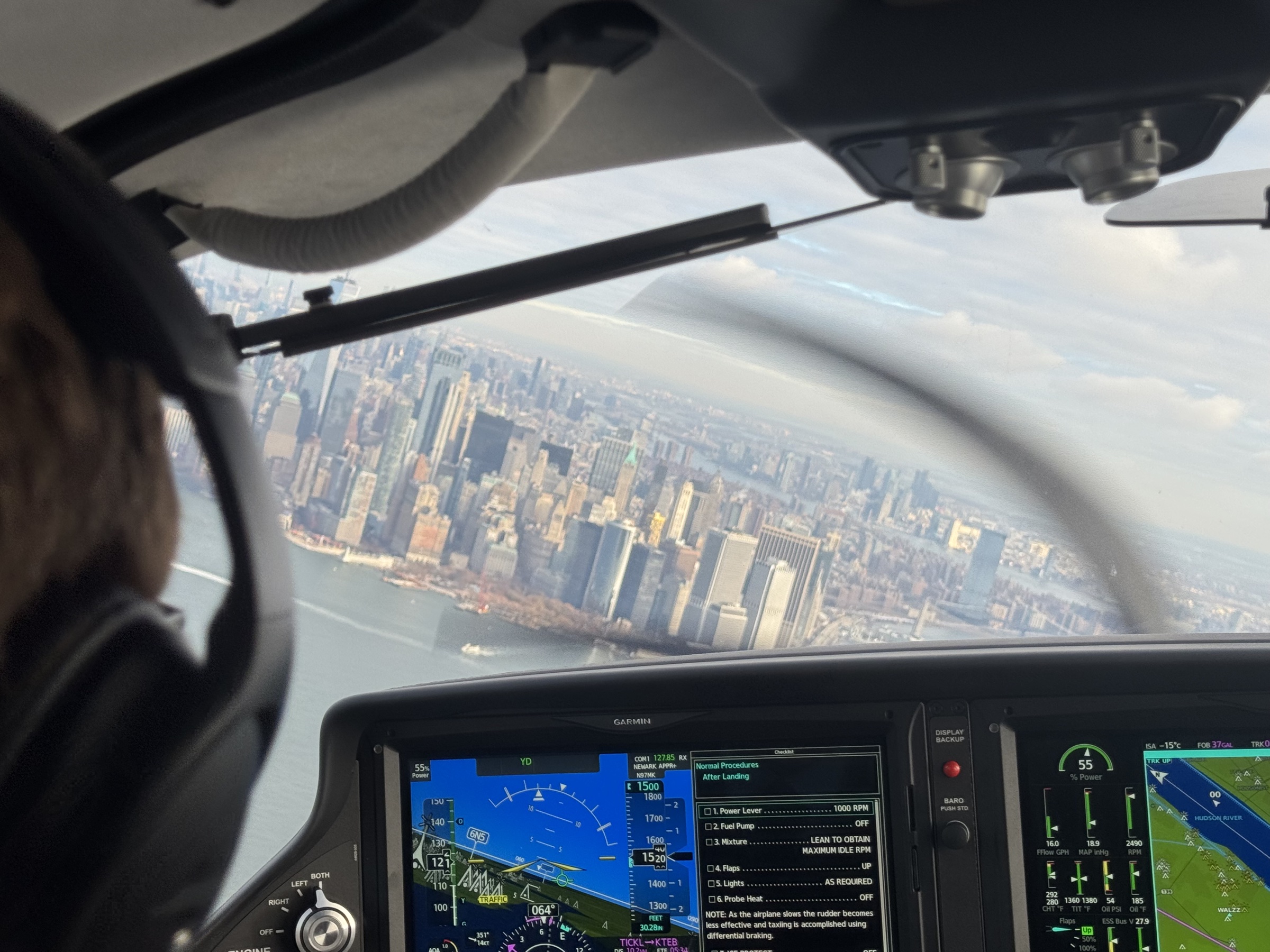
No. 03 City skyline through Cirrus cockpit
Game Day · Concert · Race

Tickets in another city.

A Saturday football game in another state. Courtside seats two cities over. A concert that wraps at midnight. The Daytona 500. Private aviation is built for nights and weekends like these, so why wait until after your checkride to start practicing them. Plan the trip. Fly the trip. Make it part of your training. By the time you have your license, you will have already done the kind of flying most pilots only dream about.

Cirrus Approach training platform — taxiway routing display
The Training Platform

Cirrus Approach.

A training platform built around the airplane you will actually fly.

Most flight schools train on generic curricula and hope it transfers to the airplane in the hangar. Cirrus does not. The Cirrus Approach platform was built by Cirrus, for Cirrus, around the actual systems and procedures of the SR20, SR22T, and Vision Jet you will spend your hours in.

Online ground school, scenario-based learning, integrated procedure trainers, and progress tracking that shares the same standards your CSIP and TCI instructors use in the airplane. Study at home, fly with your instructor, and never wonder if the textbook matched the cockpit.

  • Built by Cirrus around Cirrus aircraft and avionics
  • Integrates with our CSIP and TCI instructor curriculum
  • Online ground school you can do on your schedule
  • Scenario-based, not just procedure-based
  • Used at the highest-level Cirrus training centers in the world
Your Pace

How fast you get your license is up to you.

Some clients earn a private pilot certificate in a month of full-time training. Others spread it across a year while working a full-time job and raising a family. Both paths produce real pilots. The right pace is the one you will actually finish.

The Sprint
~30days

Full-time, fully committed.

Five days a week, two flights a day, weather permitting. Ground school in the mornings, flying in the afternoons, study in the evenings. The fastest realistic path from zero to private pilot certificate.

  • Best for career-changers and gap-year flyers
  • Requires an open calendar and full focus
  • Most intensive, most efficient on dollars per hour
The Long Game
1yr+

One flight a week, when you can.

For clients who want to fly when life allows it. Slower, more episodic, but every hour still real. Good for people who already love flying but cannot make it the only thing they do.

  • Best for full schedules and seasonal availability
  • Patience matters. Staying current requires deliberate attention
  • Often the path that produces the most considered pilot
The Ratings Ladder

What each certificate actually gets you.

Aviation has a vocabulary problem. "Pilot's license" can mean a lot of different things. Here is what each rating in the ladder actually unlocks, in plain language, and what you can do the day you walk away from the checkride.

Begin

Tell us where you want to go.

Every training plan we build starts with a conversation about your mission. Where do you want to fly? How fast do you want to get there? What does the rest of your life look like? Tell us, and we will design a syllabus around the answers.